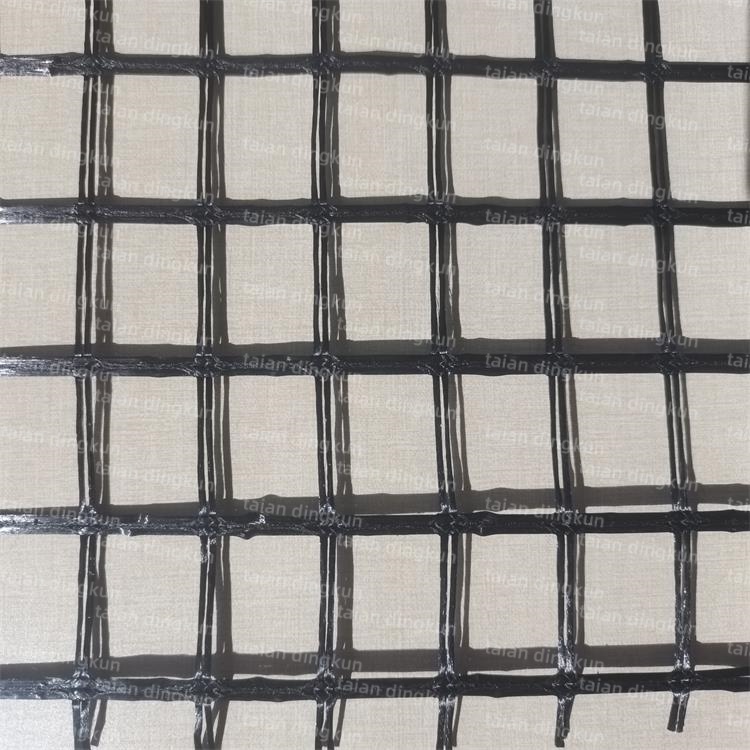
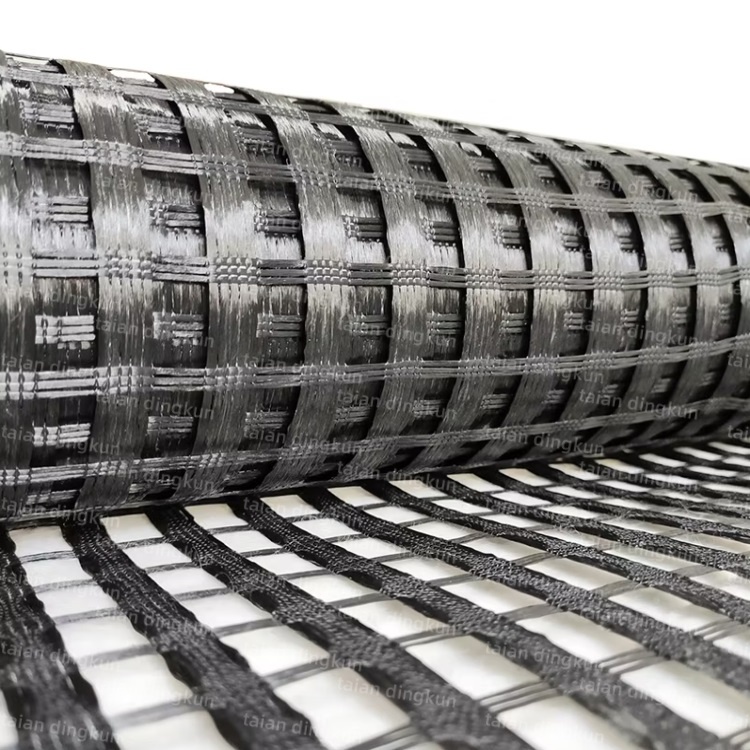
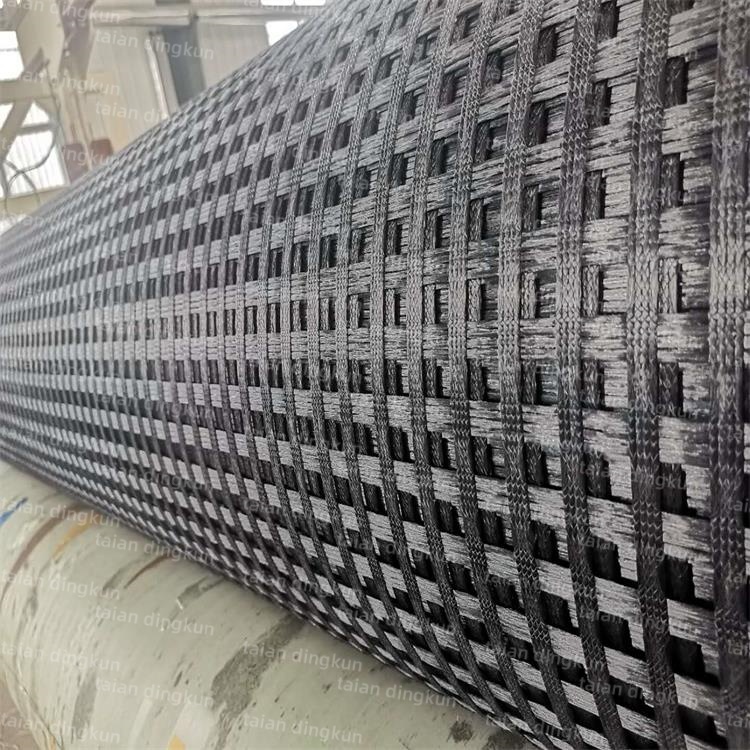
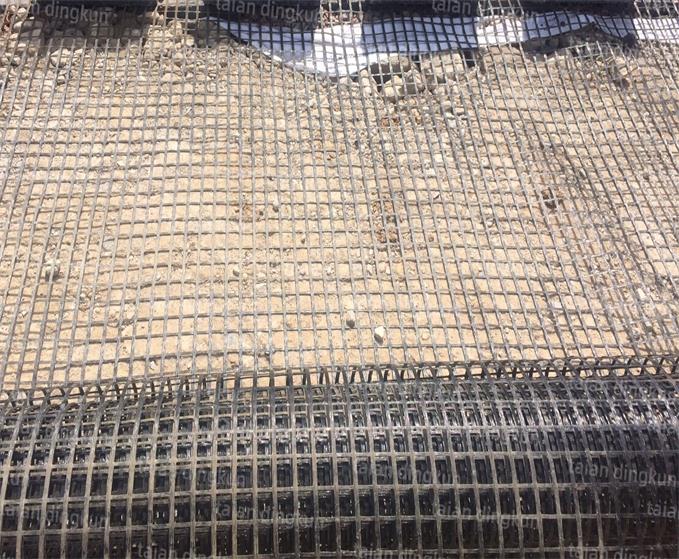
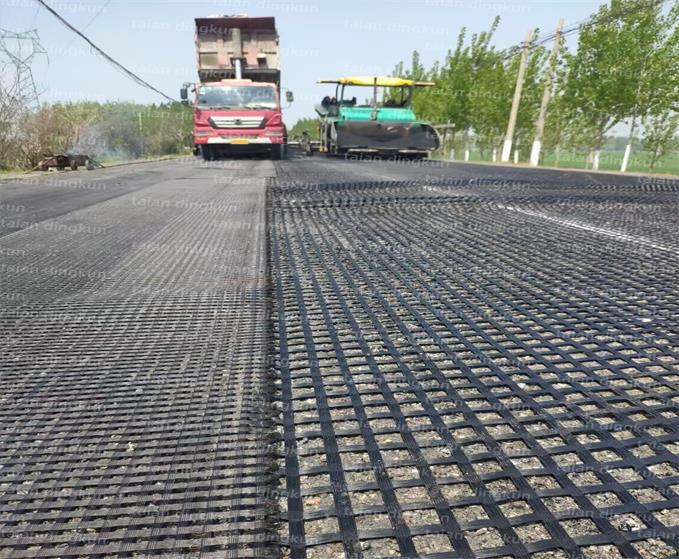
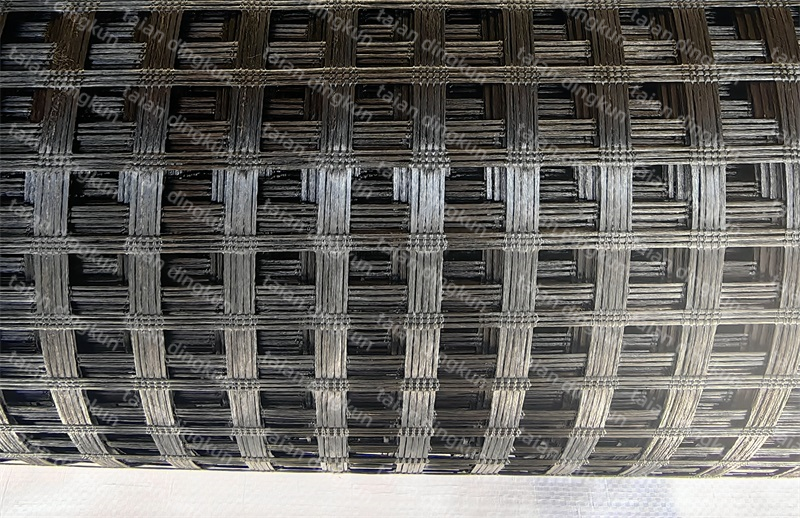
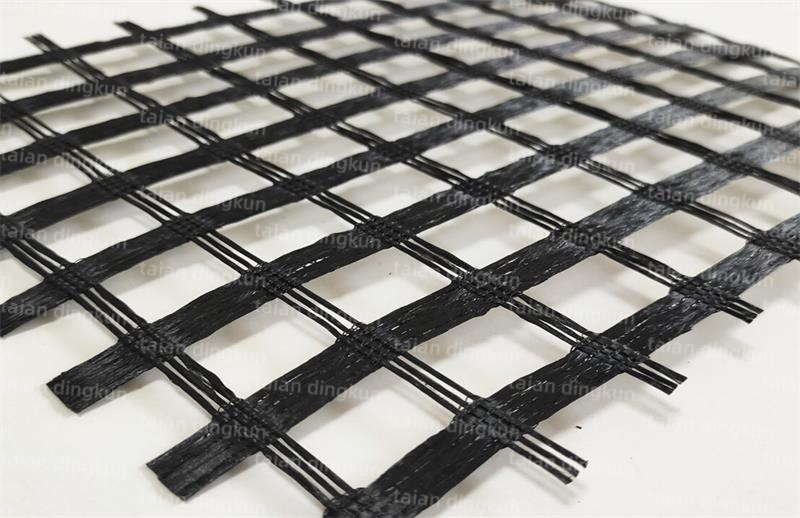
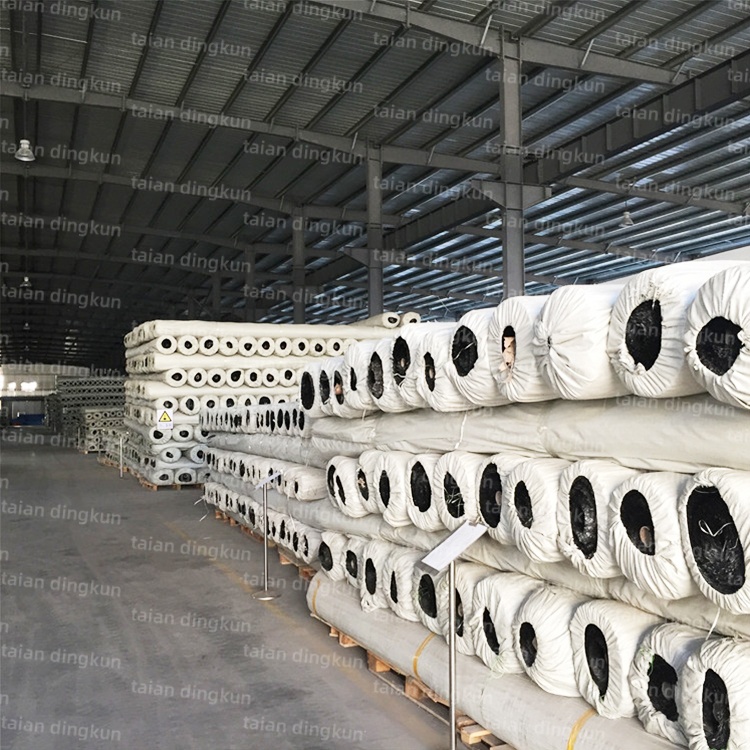
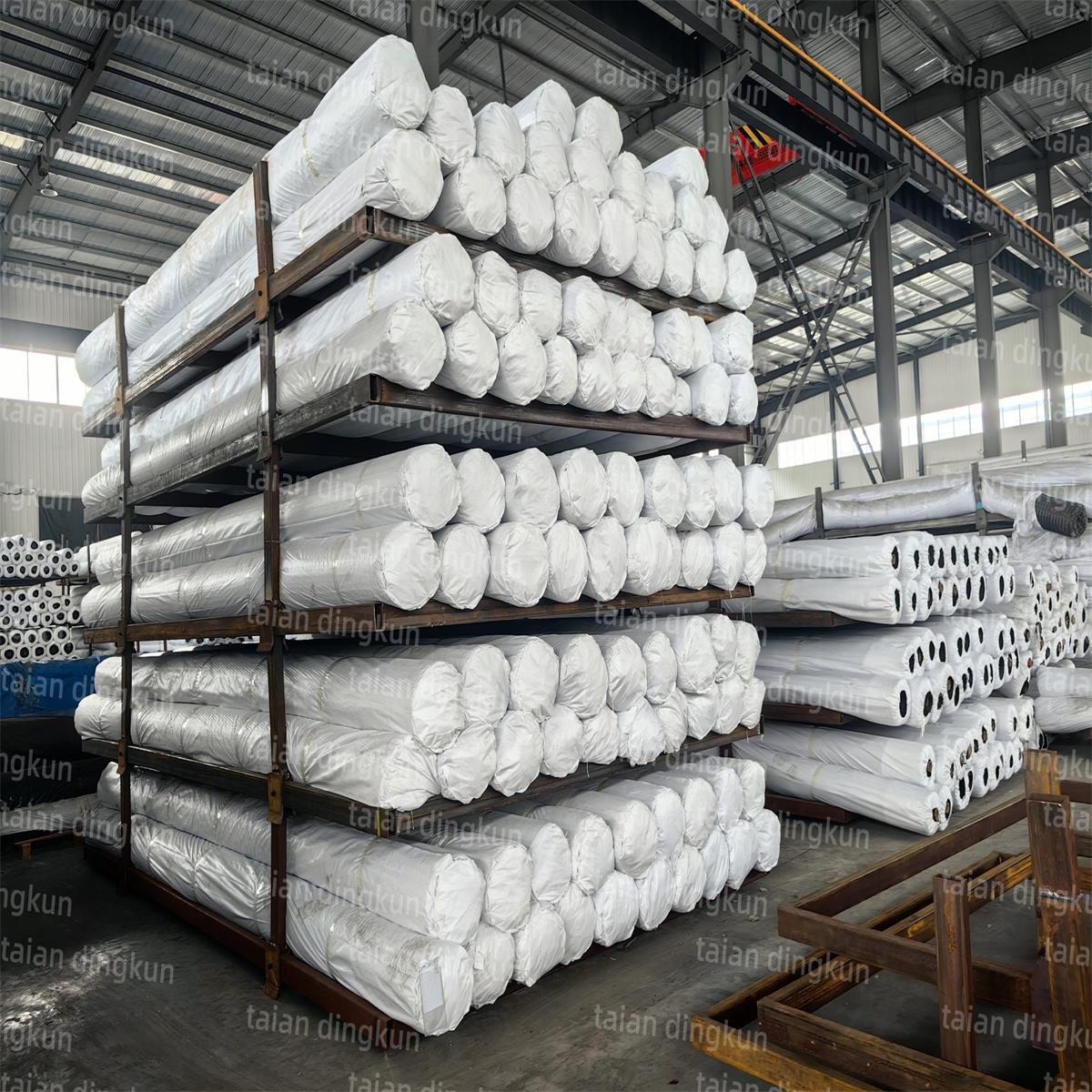
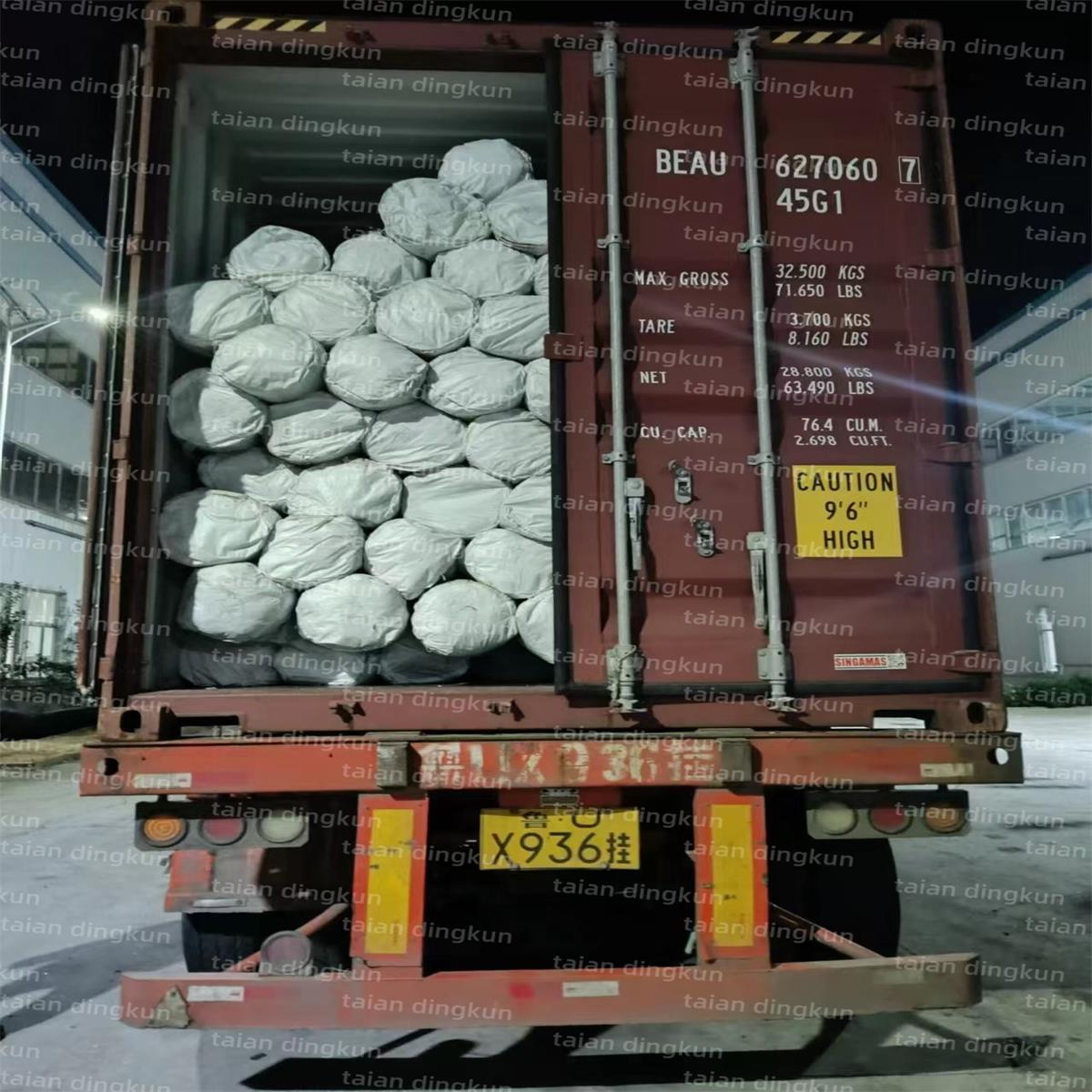
Polyester geogrid is a kind of geosynthetic material. It is made of high-strength polyester yarns. These yarns are knitted or woven into a grid-like structure that are coated with a protective polymer coating. And polyester geogrid’s strength can be very high, with design values of up to possible 1000 kN/m. The strength of a geogrid allows positive reinforcement of embankments, steep slopes, retaining walls and other vertical soil structures. Geogrids interlock with the soil providing long term reinforcement and are the most cost-effective method of creating additional horizontal space. Polyester geogrids have excellent long term creep performance.
Advantages of Polyester geogrid:
1. High Tensile Strength: Polyester geogrid offers excellent tensile strength, making them ideal for reinforcing weak soils and improving the stability of structures like retaining walls, slopes, and embankments.
2. Durability: The material of polyester geogrid is resistant to UV radiation, chemicals, and biological degradation, ensuring long-term performance in harsh environments.
3. Flexibility: Polyester geogrid is flexible and can conform to the shape of the terrain, providing uniform load distribution and reducing the risk of differential settlement.
4. Lightweight: Polyester geogrid is lightweight, making polyester geogrid easy to transport and install.
5. Cost-Effective: By improving the load-bearing capacity of soils, polyester geogrid can reduce the need for expensive excavation and replacement of poor-quality soils, leading to cost savings in construction projects.
Installation of Polyester geogrid:
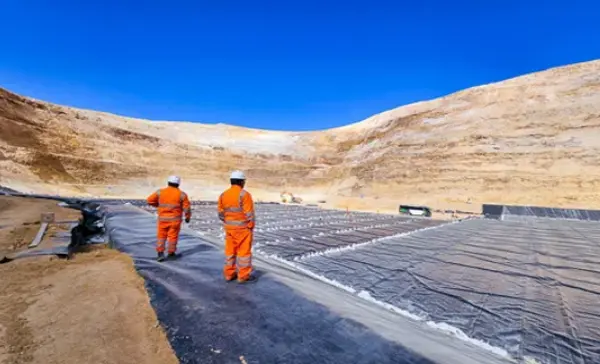
Polyester geogrids are typically laid horizontally in layers within the soil or aggregate. The grids are anchored at the edges and overlapped to ensure continuity and effectiveness. Proper installation is crucial for achieving the desired reinforcement and stabilization effects.